Join Us
Sign up to stay informed of the latest news from Cristianime i Justícia.
“Christianity should give a reason for its hope to anybody who asks for it, no matter the historical circumstances or the state of the soul with whomever it faces the future culturally. But in no case can its characteristics, favorable or not to intrahistorical hope, condition the content of the theological virtue of hope, given that it depends exclusively on the Promise of God.” It is about this Christian hope and its reasons that F. J. Vitoria speaks to us in this delicious essay, an essay that can give us a little bit of light in times of uncertainty and darkness.
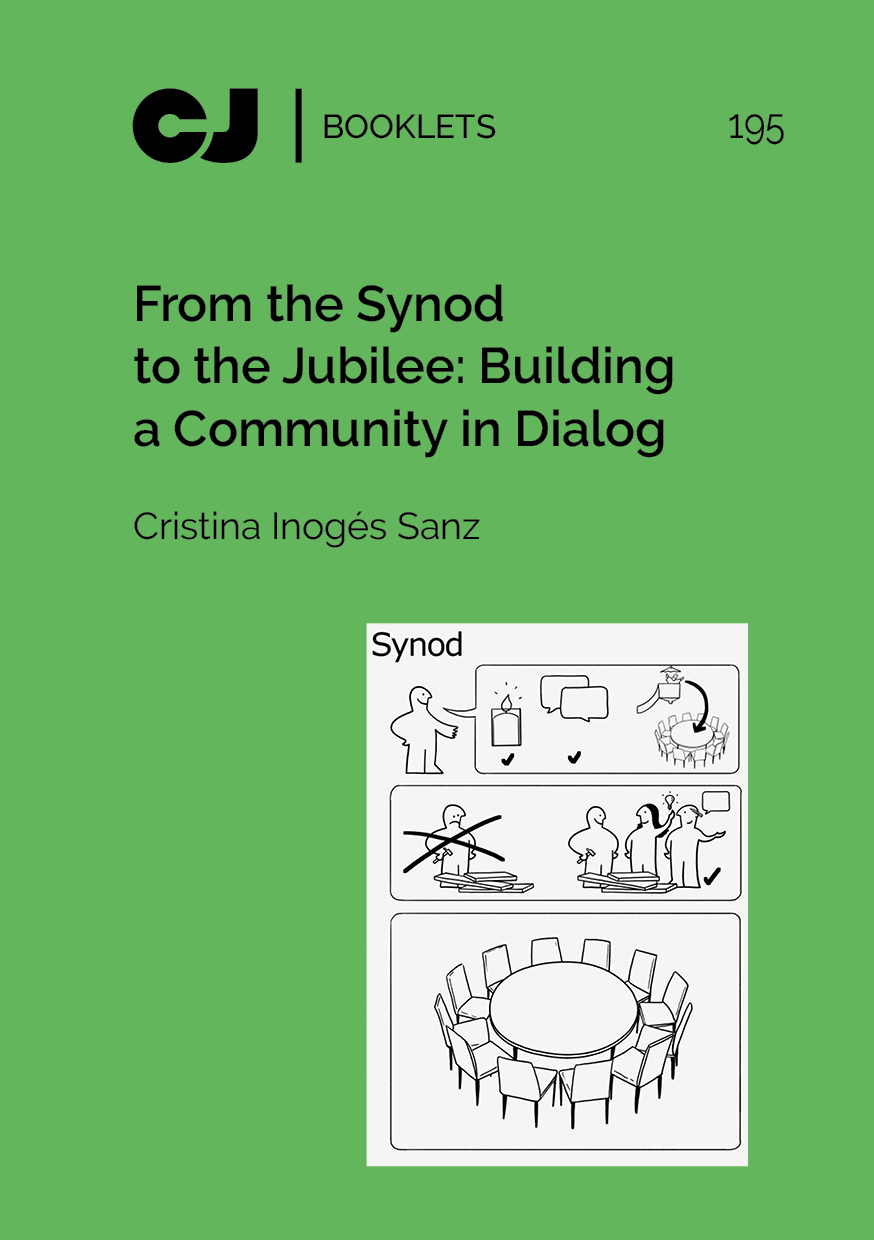
The synodal Church calls us to a deep change as an institution, but especially as persons. Change, personal conversion, is not going to affect only our way of being Church, but rather it will affect more directly and personally our way of living Christianity, or, if we want to be more precise, our way of being Christians. Synodality is an ecclesial reality, but it has a human sense that we often tend to pass over. Cristina Inoges talks to us about that. She is a lay theologian, who has experienced from the inside, with her voice and a right to vote, this Synod Assembly XVI, 2021-2024.
The word “reconciliation” is a word with a diverse set of meanings that can encompass many different perspectives: religious, ethical, political and juridical. The author concentrates in this text on the religious perspective and on its Christian version., placing himself clearly in the point of view of victims. From that come all of the questions that recur in these pages: Is there a God who reconciles and who reconciles us with so many victims in this world? If that is answered in the affirmative, what does that reconciliation look like? In what does it consist? How does it concern us Christians?
In this booklet, we will be calling upon different people to tell us about their own experiences, in order to give us their personal testimony. These are real life testimonies which will invite us to discover faith from the perspective of justice. We expect some of these narratives will encourage us to think about the issues raised, but we hope they will also establish a form of dialogue with the reader: a private and personal dialogue which will help them to search for this pathway of faith in their own lives, a pathway which is a gift, and at the same time, an invitation to live life in all its fullness.
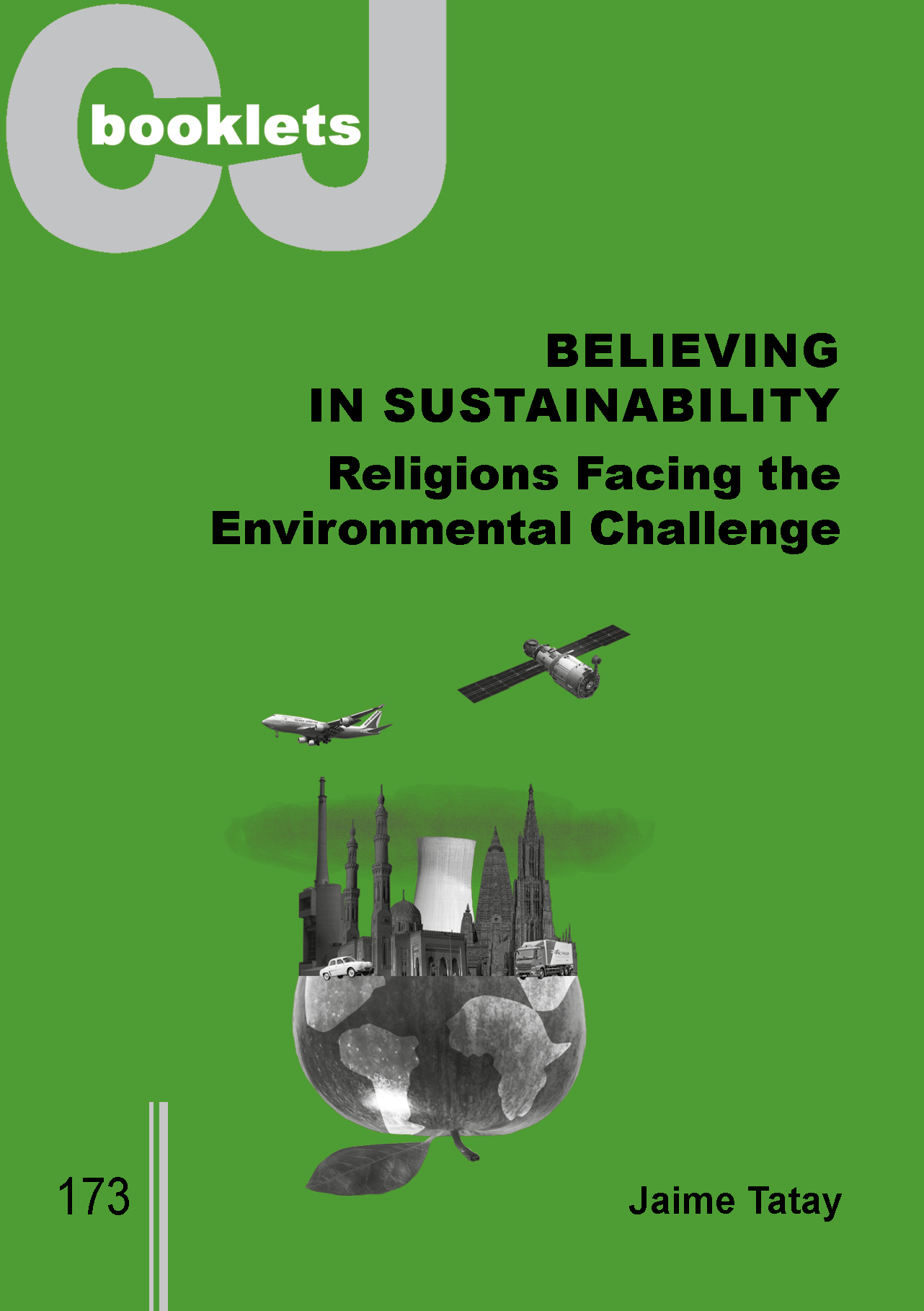
In this essay the author proposes ten reasons for involving the world’s religions in the environmental debate. The ten reasons offer important keys for understanding the religious declarations of recent years as valid strategies for personal, institutional, and social transformation. The author seeks to open up the prophetic, ascetical, penitential, apocalyptic, sacramental, soteriological, mystical, wisdom, communitarian, and eschatological dimensions that pervade the spiritual experience of humankind. The articulation of these ten elements allows us to elaborate an environmental proposal of an interreligious nature.
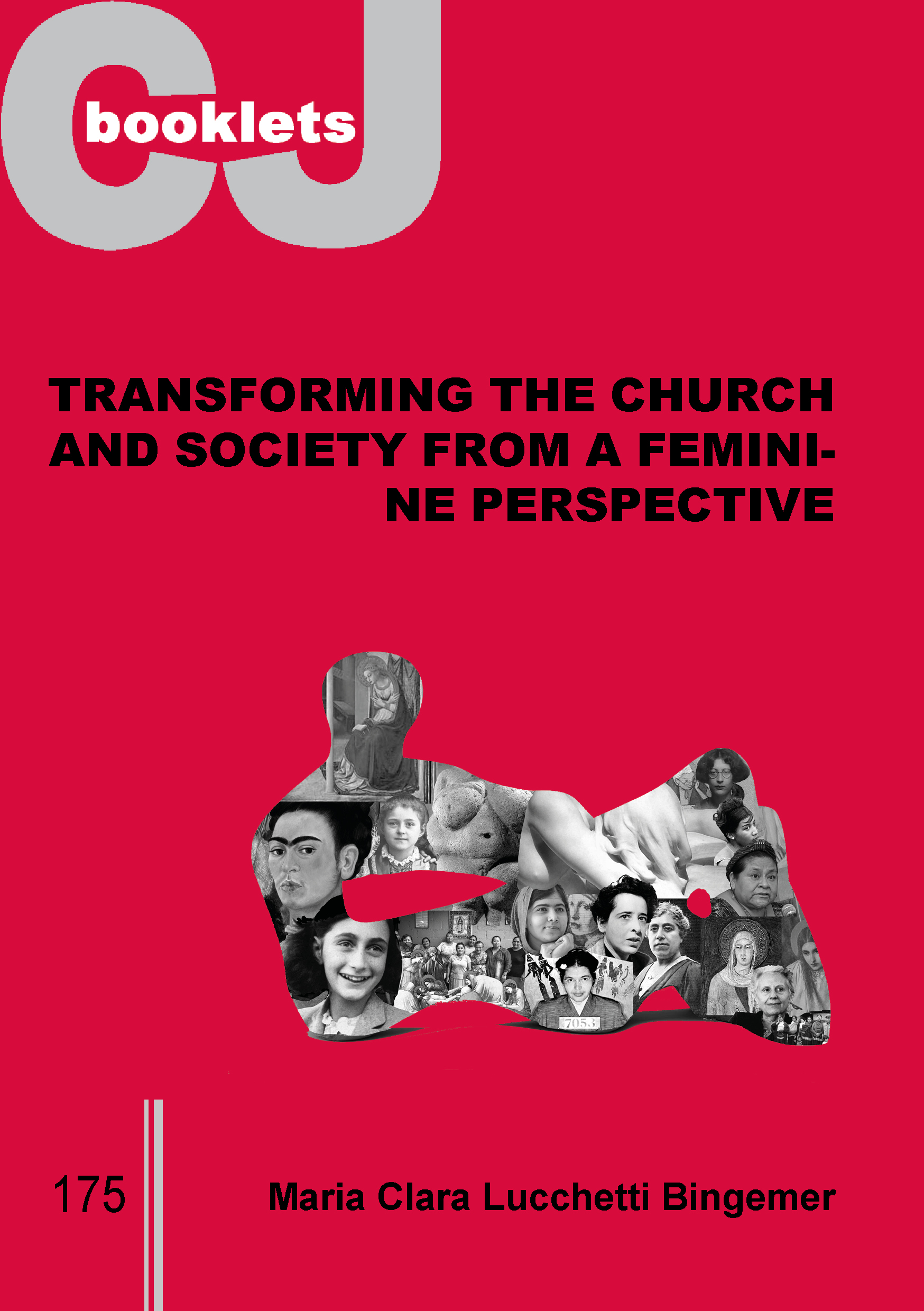
The issue of women and the notion of the feminine has again come to the fore, both in the secular world as well as in the ecclesial sphere. Could this be why women are taking on leading roles in a turbulent, violent and changing world? Could this be why Pope Francis has brought up the issue time and time again? Whatever the reason, at this point in time, when the world as a whole finds itself immersed in violence, and facing so many economic, political and social problems, there is a widespread sense that women can play an important role in the process of change. The author of this booklet participated in the inauguration of this course in Cristianisme i Justícia 2017-2018. In this booklet, we have compiled some of the contents of the opening presentation of that course.
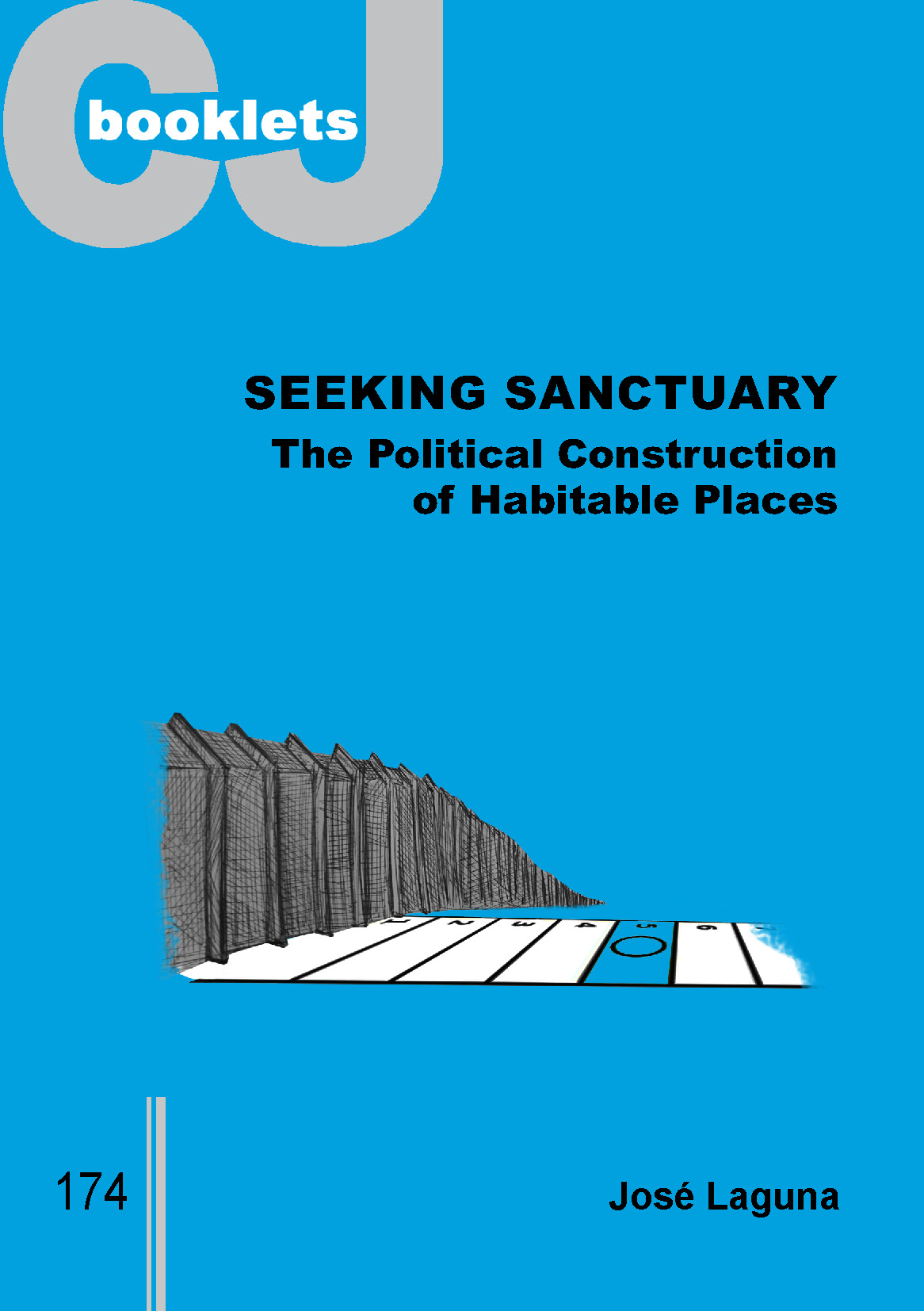
The political construction of places safe from profanation involves defending those “sacred places” we have already established, demolishing dwellings that have become unlivable, and building new multicultural homes that are sustainable and non-discriminatory, recognizing and welcoming negated identities. The author invites us to abandon our passivity and become architects and masons so as to keep the world from ending up “a huge commercial center where every reality carries a sticker price and a bar code.”
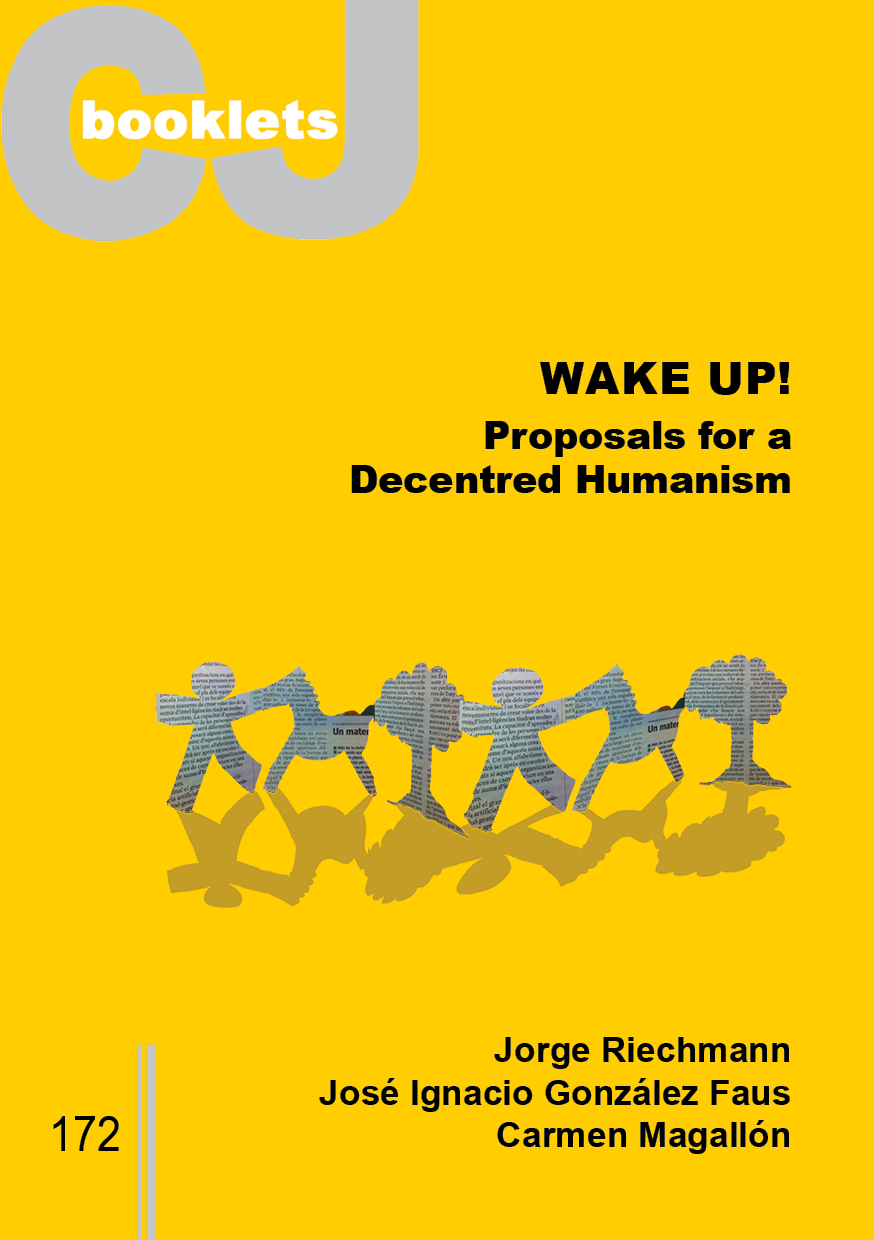
Jorge Riechmann calls the 21st century the “Century of the Great Test,” for he sees it as the century in which the future of the planet and the survival of the human race are at stake. Viewing this challenge from the perspectives of philosophy, theology, and eco-feminism, the authors ask about the possibility of changing the current course of our civilization, so that we begin to pursue other goals and promote other values, such as welcoming the stranger, caring for what is fragile, making peace with nature, and accepting ourselves as the vulnerable and mortal beings that we are.
This booklet compares the texts contained the book The Teaching of Buddha with the social justice texts of the prophets (culminating in Jesus as one who is “more than prophet”). Despite the differences between the two sets of texts, the author defends the need to understand that they are complementary languages and that neither of them can be maintained or can reach fulfillment without the other. Every outcry of protest that does not flow forth from the interior richness of an authentic “silence” will be “political” but not prophetic. Every silence that does not result in an anguished outcry and a prophetic denunciation will be an empty silence.
After the novel and the film called “The Da Vinci Code”, the Gospel of Judas, that is a text quite pleasant, appears among best sellers books. The sales of “The Da Vinci Code” are countless. Is this fact singe of intrinsic values, of exciting curiosity, or of citizens vulnerability in front of medias? This booklet tries to answer all these questions.
Morning, 9h to 14h
(from monday to friday)
Afternoon, 16h to 19h
(tuesday and thursday)