Join Us
Sign up to stay informed of the latest news from Cristianime i Justícia.
Vulnerability, linkages (for our mutual dependence and solidarity) and responsibility (or vigilance) are the bases of our being human and the key for our development. These three initial Vs should be for us today guides to reading well our present and for acting in a way that might be, at the same time, universal and practical, in both our work and in all the other fields of life. Perhaps this might be the great lesson of the pandemic.
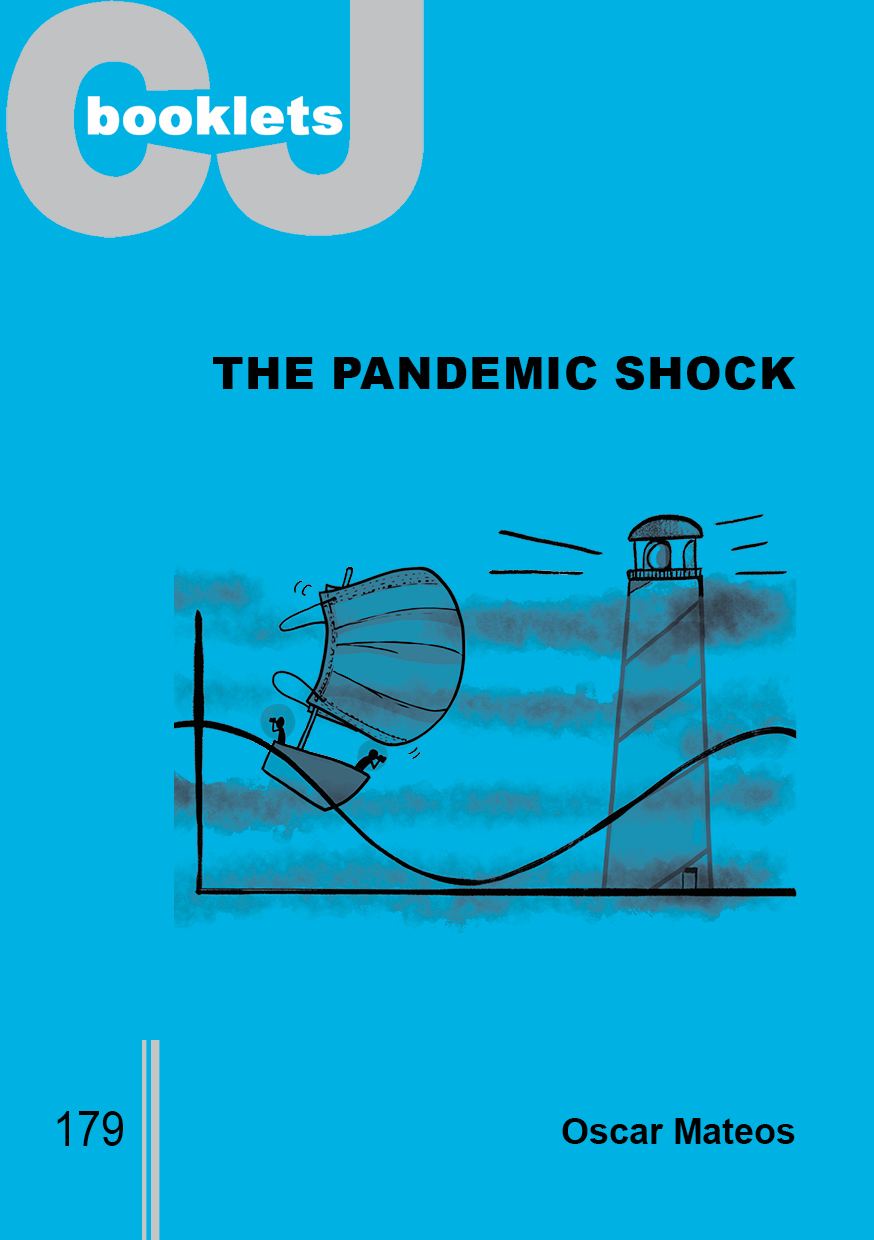
The COVID-19 pandemic has generated a global social, political and economic shock, with consequences that are not yet foreseeable, making even sharper the focus on the problems of an unequal and plutocratic world which is politically polarized, socially atomized and environmentally unviable. It is for this reason that the author invites us to take advantage of the “moment of clarity” that the pandemic offers us to take a deep dive into some essential lessons learned, as, for example, our having realized that working for the common good for those who need care is what sustains life. In the third part of the Notebook, he analyzes the different post-pandemic scenarios that are open to us, but with the uncertainty of not knowing which of them is the most plausible. It is definitely a Notebook that offers to teach us a wide view of what is happening to us without being dogmatic.
We are starting 2021 with our gaze fixed on the end of the pandemic. It seems that now the question is not when it will all be over, but rather how it will happen and what will life be like after this very intense period. The imminent arrival of the vaccine – at least for the so-called “northern countries” – leads us to believe that we will be able to return to the same routine as before the pandemic started. Nevertheless, along the way, the virus of poverty continues wreaking damage. Will we have learned anything during the time that we have been confined? Let us take advantage of this moment in order to stop and review all that we have lived through. We can do it by going back over those slogans that have accompanied us for all these months. When an expression becomes popular it is because it contains within itself something essential of the spirit of our time. Finding in it the deep significance ought to help us to rearm ourselves interiorly so as to be able to live the year 2021 with greater serenity, clarity and commitment.
The coronavirus is pouncing on a world in which inequality has grown in the majority of countries, situated in an economic system that favors the hoarding of wealth, income, opportunities and natural resources by a few people. By not confronting this enormous crisis in a way that is different from others, we will be aiding a sharp growth in poverty and the widening of the gap that divides humankind into those that have access to protection and those that are left to the elements.
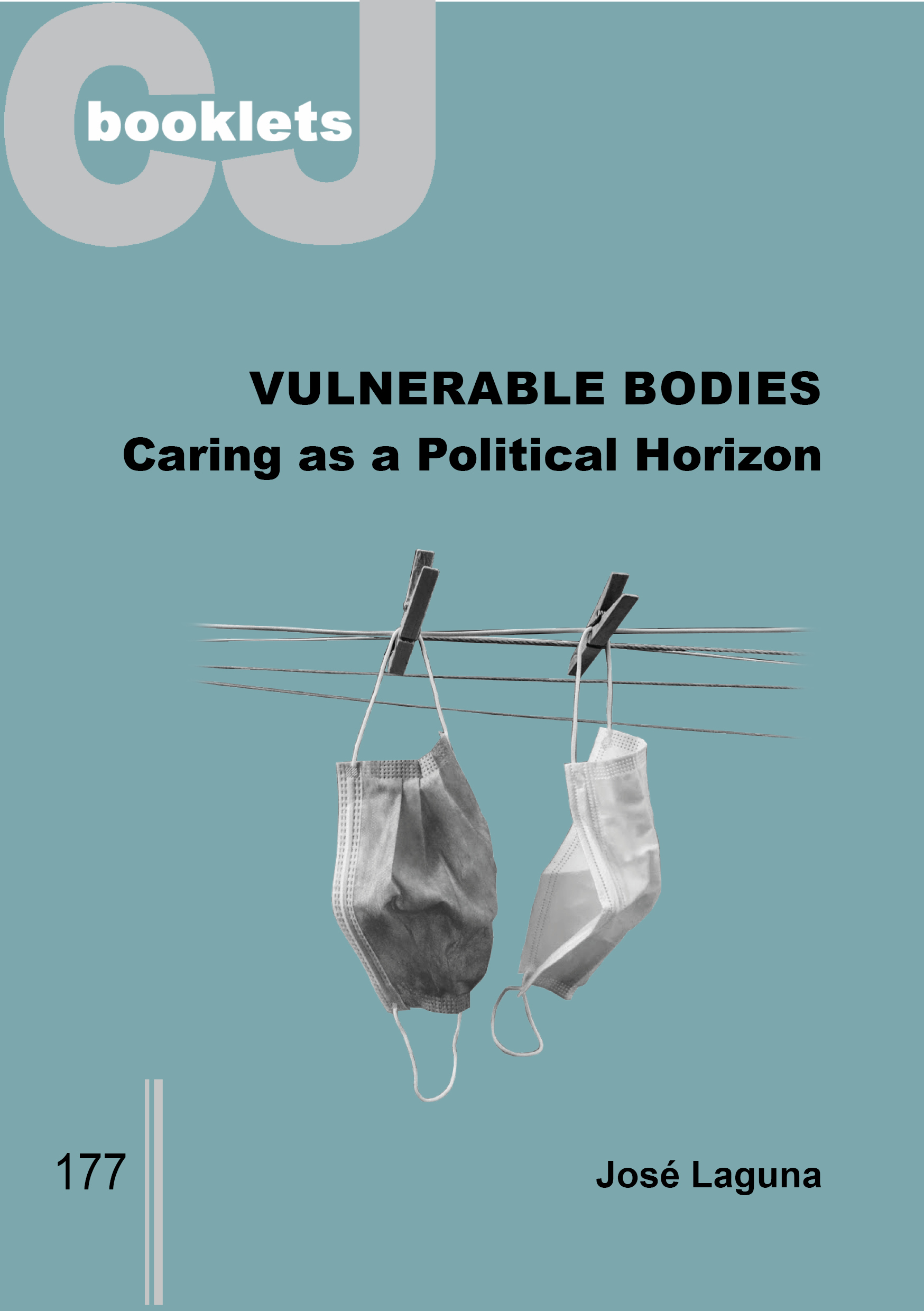
This publication, according to the author, seeks to make a contribution to the elaboration of a new paradigm of vulnerability, a paradigm that takes issue with the narratives that have shaped the Western worldview of self-sufficiency and forgetfulness of the body. After an initial deconstructive moment, the booklet proposes the creation of a “somatopolitical” language, which uses the universal semantics of vulnerability to place at the very center of social praxis the ethical demand for responsibility and the political vindication of caring.
In this Notebook the Author gathers together the response generated by COVID-19 among the political and economic classes and the consequences that are the prelude to future crises. Because once we are on the other side of the pandemic it is necessary to take on urgently the social and economic aspects of our system that should be questioned in order to foresee and avoid the recurrence in the near future of episodes like the one which we are now living.
The coronavirus has caught humanity off-guard. Death, so far from the daily experience of the self-proclaimed first world, has instead become an event that affects us closely, and in a terribly painful way due to the circumstances we find ourselves in. Although having been affected in many different ways, this is the first disease our generation has faced which affects the world at a universal level, yet it is from this fact that a light of hope springs forth: we may once again feel like one united humanity through the experience of our shared vulnerability.
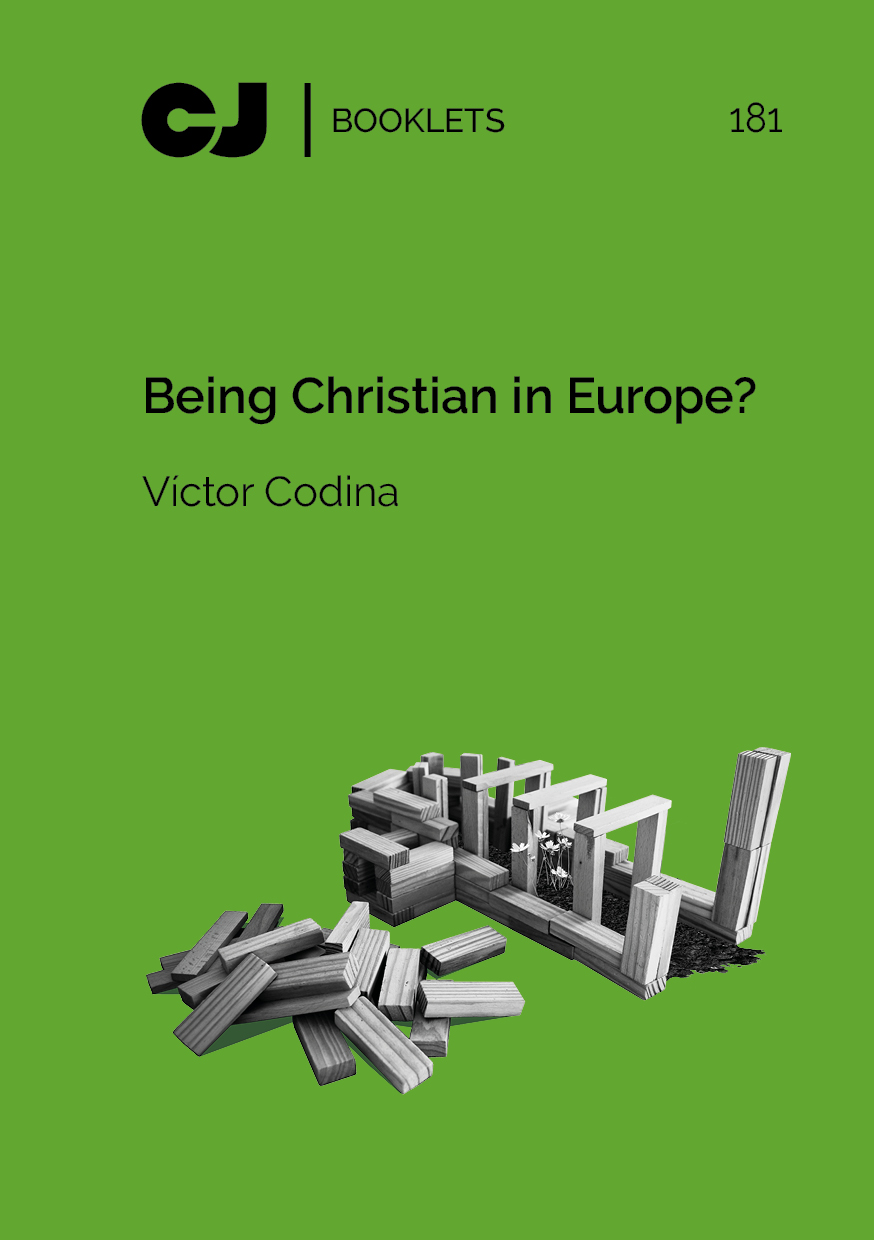
In Europe we are witnessing a genuine collapse of the Christian faith. In relatively few decades, a European society with deep Christian cultural roots has become a society in which Christianity is culturally irrelevant. In this booklet the author analyzes this crisis and then explores the conditions that would make a new Christian initiation possible. Such a re-initiation will have to take place from below, from the poor, from the passion of the people, from the great masses of humankind.
We find the phrase with which this publication is titled in St. Paul when he says, “But when in the fullness of time God sent His Son” (Gal 4:4), or “He has allowed us to know the mystery of his will, according to his goodness, which He had proposed in Himself, to bring together all things in Christ in the dispensation of the fullness of time.” (Eph 1:9-10). Beginning with this expression, the author of this article directly formulates this question: could Paul have written this today? Or even more clearly: can we understand it? Although it does not appear so, the answer affects the core of our life.
We find reconciliation a reality that is difficult to accept in our present sociocultural context. A major reason for this difficulty is that the prevailing mindset in our society has no room for the essential elements for understanding and practicing reconciliation, elements such as repentance, self-criticism, guilt, forgiveness, and truth. Drawing on the experience of the Basque Country, the authors of this booklet develop a proposal that takes the perspective of the victims as the necessary point of departure for authentic justice and reconciliation.
Morning, 9h to 14h
(from monday to friday)
Afternoon, 16h to 19h
(tuesday and thursday)